
types of wired glass
Understanding Butterfly Valve Seat Types Butterfly valves are widely used in various industrial applications for regulating flow. One of the critical components of butterfly valves is the seat. The seat provides the sealing surface between the valve body and the disc, ensuring that the valve performs its function of controlling flow effectively. Various types of butterfly valve seats exist, each designed for specific applications and operational needs. This article will explore the different types of butterfly valve seats, their materials, configurations, and their applications. Types of Butterfly Valve Seats 1. Soft Seated Valves Soft seated butterfly valves have a seat made from elastomers or soft materials like rubber or PTFE (Polytetrafluoroethylene). These materials provide an excellent sealing capability, making them ideal for applications where a complete seal is vital. Soft seats are typically used in water, gas, and lower-pressure systems. They can effectively handle moderate temperatures and pressures, making them suitable for many general-purpose applications. 2. Metal Seated Valves Metal seated butterfly valves utilize a hard seat, usually made from metal alloys, which enhances durability and resistance to wear. These seats are ideal for high-temperature and high-pressure applications, where soft seats may fail. Metal-seated valves are commonly used in the oil and gas, chemical processing, and power generation industries. They offer excellent longevity and resistance to abrasive materials, making them suitable for harsh operating environments. 3. Fire-Safe Seats Fire-safe butterfly valve seats are designed to maintain a seal even under extreme temperatures and in the event of a fire. These seats are typically made with additional materials that can withstand high temperatures, ensuring that the valve retains its functionality during a fire emergency. Fire-safe butterfly valves are critical in industries dealing with flammable substances, such as petrochemicals and pharmaceuticals, where safety is paramount. 4. High Performance Seats High-performance butterfly valve seats are engineered for applications requiring precise control and tight sealing. These seats often combine various materials, including metal and elastomers, to achieve optimal sealing performance across a broader range of temperatures and pressures. High-performance seats are ideal for industries such as water treatment, pulp and paper, and HVAC systems, where reliability and efficiency are essential. Material Considerations The material used for butterfly valve seats is crucial, as it affects the valve’s performance, lifespan, and suitability for specific applications . Here are some common materials used for butterfly valve seats - EPDM (Ethylene Propylene Diene Monomer) Commonly used for soft seating, EPDM offers good chemical resistance and is suitable for various applications, including water and steam. However, it may not be compatible with certain oils and fuels. butterfly valve seat types - Nitrile (Buna-N) This material is known for its excellent resistance to petroleum products and is commonly used in oil and gas applications. However, it has limitations in high-temperature conditions. - PTFE PTFE is a versatile material with outstanding chemical resistance and can withstand high temperatures. It's often used in applications involving aggressive chemicals. - Metal Alloys For metal seats, materials like stainless steel and alloy compositions are preferred. These metals provide excellent resistance to wear and high-temperature capability. Choosing the Right Seat When selecting the appropriate butterfly valve seat type, consider the following factors - Application Requirements Analyze the specific needs of your application, such as pressure, temperature, and the nature of the fluid being controlled. - Material Compatibility Ensure that the seat material is compatible with the media it will come into contact with. This is crucial for preventing degradation and ensuring the valve functions effectively over time. - Performance Expectations Decide whether a soft or metal seat is necessary based on performance requirements. Soft seats are typically adequate for standard applications, while metal seats are preferable for extreme conditions. Conclusion Understanding the different types of butterfly valve seats is essential for selecting the right valve for any application. Each seat type has unique characteristics that make it suitable for specific environments and operational needs. By considering factors such as material compatibility, application requirements, and expected performance, industries can choose the most effective butterfly valve solutions that enhance reliability, efficiency, and safety in their processes. As technology advances, new materials and designs may further improve the functionality of butterfly valves, making them even more integral to industrial operations.
about
types of wired glass
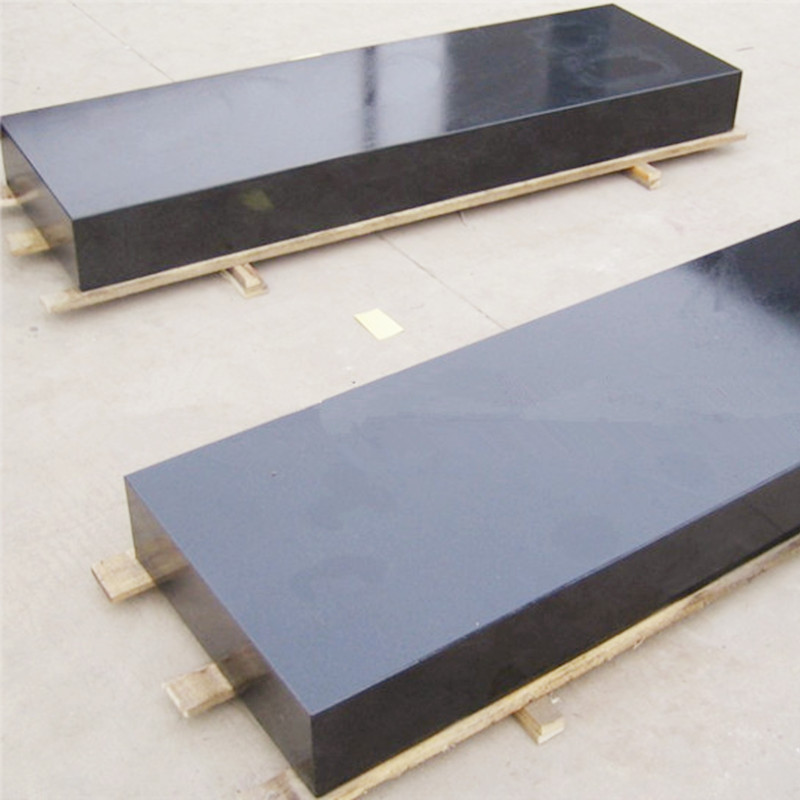
The Importance of Surface Plates in Precision Measurement When it comes to achieving precise measurements in manufacturing and engineering, the importance of a high-quality surface plate cannot be overstated. Surface plates serve as a fundamental tool for measuring, supporting, and inspecting various components across diverse industries. Their design, material, and applications make them essential instruments in precision measurement processes. A surface plate is essentially a flat, stable support structure made from materials such as granite, cast iron, or stainless steel. The choice of material is crucial as it affects the plate's durability, thermal stability, and ability to resist wear. Among these materials, granite is often favored due to its inherent stability and resistance to deformation. Cast iron plates, on the other hand, can offer greater resilience under heavy loads but may be subject to rust if not adequately maintained. Stainless steel plates are known for their resistance to corrosion, making them suitable for environments where exposure to moisture or certain chemicals is a concern. The primary purpose of a surface plate is to provide a reference plane for dimensional measurement. In inspecting workpieces or assemblies, a surface plate acts as a baseline from which measurements can be taken . This is particularly important in industries where precision is paramount, such as aerospace, automotive, and semiconductor manufacturing. By placing a component on a surface plate, engineers can use various measuring tools—like calipers, micrometers, or coordinate measuring machines (CMMs)—to assess dimensions accurately, ensuring that they meet rigorous specifications. surface plate An essential characteristic of surface plates is their flatness. A high-quality surface plate can achieve a flatness tolerance much tighter than many other surfaces encountered in manufacturing. This precision is vital, as even minor deviations can lead to significant errors in measurement and, subsequently, in the production process. Regular calibration and maintenance of surface plates are paramount to preserving their accuracy. Users should clean the plates regularly to remove any debris and ensure they are stored correctly to prevent damage. Surface plates can also come equipped with additional features, such as T-slots, which allow for the attachment of other measurement tools, clamps, or fixtures. These modifications can enhance their versatility and convenience, making them practical for various tasks and setups. Portable surface plates, made from lightweight materials, are also available for use in field situations or smaller workshops where space is a constraint. Education and training in the proper use of surface plates are crucial for quality control personnel. Understanding how to position components accurately, read measurement tools, and interpret results correctly can significantly influence the efficiency and accuracy of the measurement process. Moreover, knowledge of how to maintain and calibrate these plates ensures they continue to provide reliable performance over time. In conclusion, surface plates are indispensable assets in precision measurement and quality control processes across multiple industries. Their design, materials, and functional capabilities make them instrumental in ensuring that manufactured parts meet stringent specifications. As industries continue to embrace more advanced technologies and methodologies, the role of surface plates remains vital, highlighting the need for ongoing investment in their quality, maintenance, and operator training. The pursuit of precision is a continuous journey, and surface plates are at the forefront of this essential endeavor.
-

High quality industrial productsagement

High quality industrial products
View Details -

Meet the diverse needs of customers

Meet the diverse needs of customers
View Details -

Strict quality control

Strict quality control
View Details -

Top raw materials

Top raw materials
View Details -

Trusted supplier

Trusted supplier
View Details
Our application



news and information
Y-Type Strainer Featuring a Convenient Drain Valve for Efficient Filtration Solutions
Understanding the Y-Type Strainer with Drain Valve Essential for Efficient Fluid Management In vario
Versatile Ground Anchor Solutions for Securely Supporting Adjustable Structures and Outdoor Installa
Understanding Adjustable Post Ground Anchors A Comprehensive Guide In the field of construction and
valve water
Understanding Valve Water The Key to Efficient Water Management Water is one of the most vital resou
 English